I remember how, as a child, Indra Dev, in particular, intrigued me. He was the king of gods- he was supposed to be righteous. However, contrary to my expectations, he was always found to be worried about worldly possessions, even engaging in borderline trickery or being a crybaby, going to either of the Tridev to seek help. I remember once ,when I was watching an episode of Om Namah Shivay, I got especially agitated and asked my Nani- “Ye Indra dev hamesha rote kyu rehte hain”
What followed was a detailed story of how things had changed over time, leading to Indra dev’s current image. I remember that story in bits and pieces; coupling that with my recent research, I’ll try and answer this discourse. It is also important for the reader to understand this in order to better understand the logic that shall be shared later when we discuss the entire Raja Bali- Vaamana avtar dynamic.
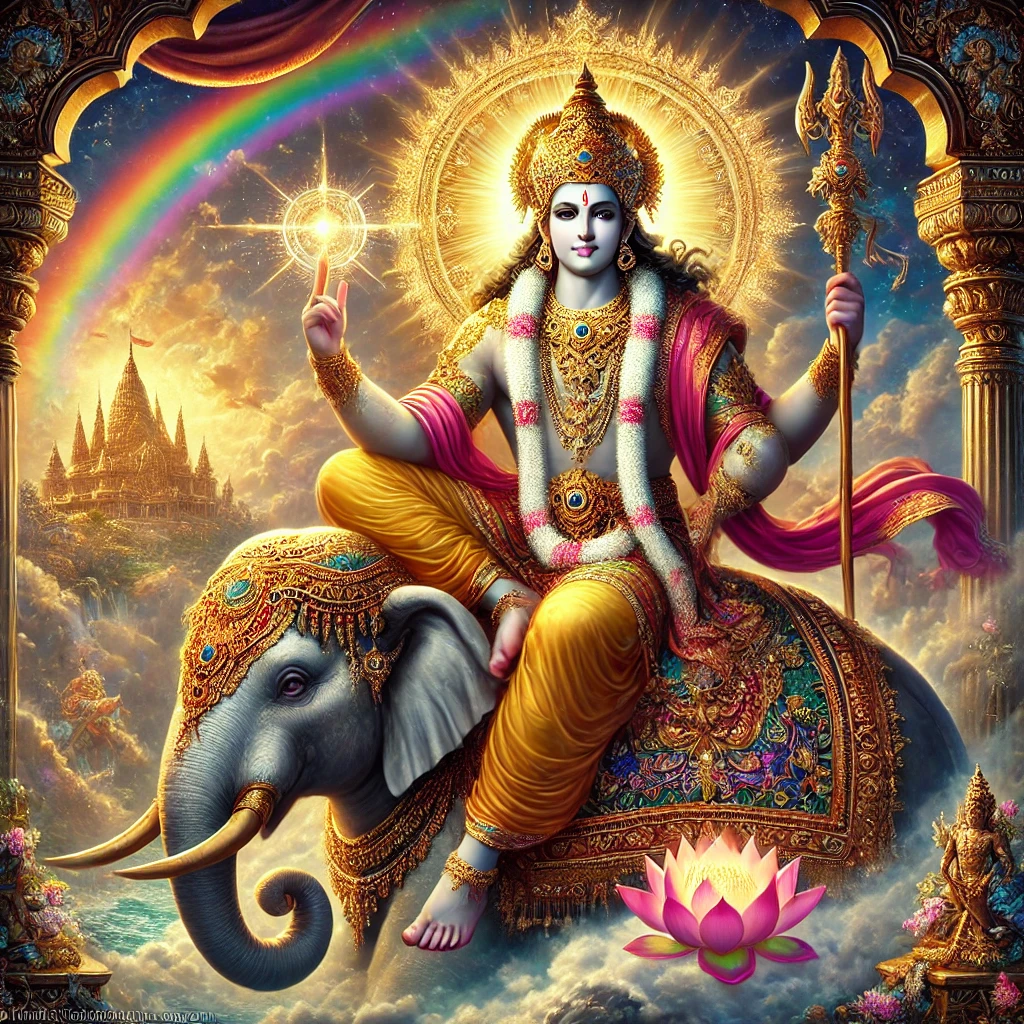
The First Mentions of Indra
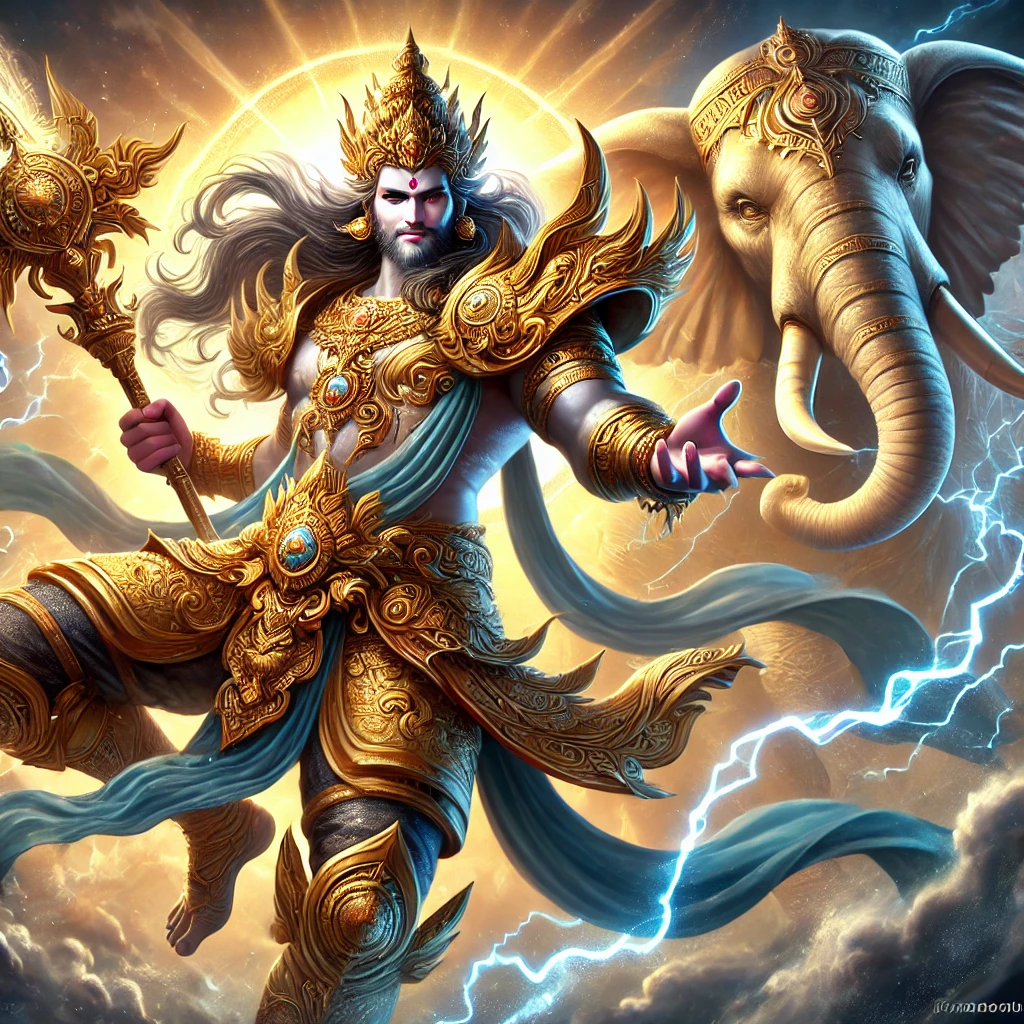
While there are mentions across the available material about Indradev being first mentioned in Atharva Veda, the actual gravity of the character is provided in Rig Veda. Indra dev is one of the most prominent deities in Rigveda, with nearly 250 hymns dedicated to him directly, making him the most frequently addressed deity in this ancient scripture.
Understanding the Significance of Indra the Warrior
It’s hard for me to comprehend how the world would have been when Rig Veda was written. From what I could gather, though, it was a reasonably agrarian economy where people worshipped what they had or could see. So, they had an appreciation of materialistic things (not in a negative way), and hence, whoever could help prosper had respect.
I feel the entire concept of Indradev originated from the same- the one god who controls thunder and rain and hence provides the optimal conditions for the sustenance of the beings. While there were other respective gods like Varun, Agni, Vayu, and others, Indra controlled everything. Then again, there was the entire human ambition, meaning there would have been wars, and hence, the mightiest power had to be a warrior god.
All of these got embodied as Indradev- the one who provided enough sustenance, brought prosperity, and protected from enemies.
It is extremely important to note at this juncture that Shiva as a deity had not emerged then. He was more of a concept, the Rudra- the respected and is mentioned fairly less in the Rig Veda
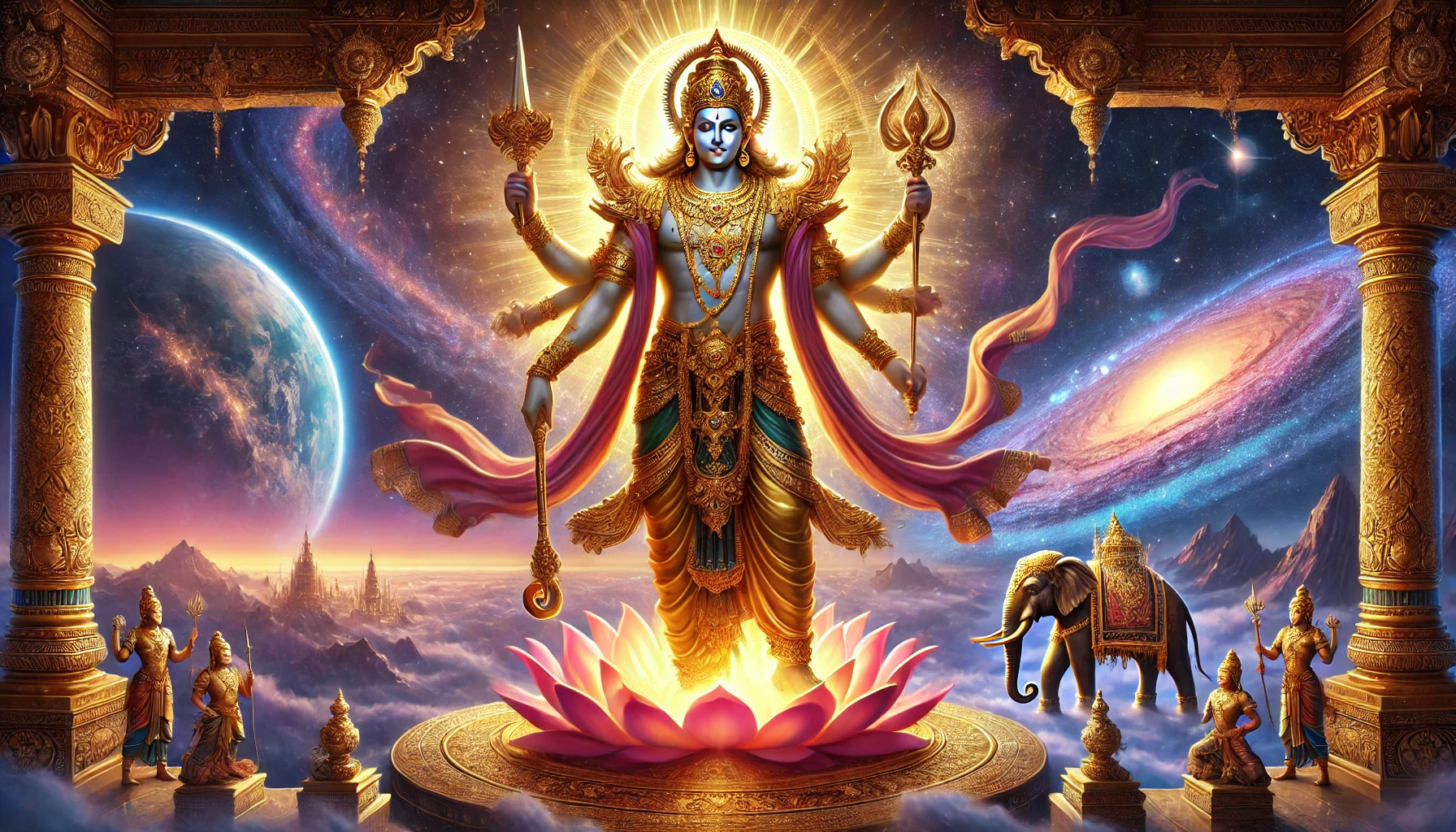
नमस्ते अस्तु भगवान् विश्वेश्वराय महादेवाय त्र्यम्बकाय त्रिपुरान्तकाय त्रिकालाग्निकालाय कालाग्निरुद्राय नीलकण्ठाय मृत्युञ्जयाय सर्वेश्वराय सदाशिवाय श्रीमन्महादेवाय नमः।
We worship Rudra, the most auspicious, who removes afflictions and grants well-being.
The one mentioned above is one reference that I could find, I am sure there would be more but yes, coming back to the point of Indradev’s significance- The section below mentions some references taken from the Rig Veda and show how Indradev was key to the livelihood.
1. Cattle as Wealth
Cattle were central to the Rigvedic economy and a symbol of prosperity. The Rigveda often equates wealth with the possession of cows. The scriptures below show how Indradev was invoked to take care of the cows and bring prosperity through them.
Rigveda 6.28.1:
“इन्द्रं वहन्तु हरयः सुतसो मध्वो अग्रियम्। गावो यन्ति पविस्तम्॥”
“Indram vahantu harayah sutaso madhvo agriyam | gavo yanti pavistam.”
Meaning: “Let the steeds bring Indra hither, the first drink of Soma. The cows approach their pasture.”
This verse reflects the significance of cattle (gavo) in daily life and rituals, emphasizing their role in both economic wealth and religious practices.
Rigveda 10.43.3:
“गोमन्तम् अन्नवन्तो अस्मे क्रिनोतु विश्ववित्॥”
“Gomantam annavanto asme krinotu visvavit.”
Meaning: “May [Indra], the all-knower, make us possessors of cows and food.”
This prayer highlights the desire for material prosperity, with cows and food being the primary symbols of wealth.
2. Agriculture and Fertility
Rig Veda 1.32.2
इन्द्रो यः पूर्व्यम् अस्माकम् रायस्कृत् घ्राणसादम् उत शविष्ठः।
वृत्राणि हन्तु क्षिति ष्व भूवनमसृण्वन् बृहतीर् ईरयातीन्॥
Indro yaḥ pūrvyam āsmākam rāyaskṛt ghrāṇasādam uta śaviṣṭhaḥ।
vṛtrāṇi hantu kṣitiṣva bhuvanmasṛṇvan bṛhatīr īrayātīn॥
Meaning: Indra, who in ancient times bestowed wealth upon us and seated himself as the most powerful one,
May he destroy the obstructive forces (like Vṛtra), spread forth the earth, and release the rivers for growth and fertility.”
Rig Veda 5.83.4
प्र वो वाजेषु वाजिनो गृणन्तः सूक्तवाहसः।
इन्द्रं प्रयस्वः अवसे रथां इव स्मदा यथा॥
Pra vo vājeṣu vājino, gṛṇantaḥ sūktavāhasaḥ।
Indram prayasvaḥ, avase rathāṃ iva smadā yathā।”
Meaning: O worshippers, glorify Indra, who grants strength in abundance.
He is the one who aids in our endeavors, like a chariot delivering us to prosperity.
3. Wealth and Abundance
Indra is also associated with wealth and abundance, as he is seen as a powerful provider of material prosperity. His role extends beyond just bringing rain for agriculture to bestowing riches, strength, and victories, which are viewed as pathways to wealth.
Rig Veda 1.32.13
यदिन्द्र राधसे नाम चारुणां समस्य सम्राट् स्वराज्ये।
ते नो भवन्तु सात्वते धनानि ते विश्वासां समितीनां भूरिः॥
Yadindra rādhase nāma cāruṇāṁ samasya samrāṭ svarājye।
Te no bhavantu sātvate dhanāni te viśvāsāṁ samitīnām bhūriḥ॥
Meaning: O Indra, the sovereign and supreme ruler, in your might, you have bestowed delightful treasures.
May those riches be ours for conquest and prosperity, bringing abundance in all assemblies.
4. Tribal Warfare and Cattle Raids
Rig Veda 1.32.1
इन्द्रं वीराः शतक्रतुं अभिष्टिहा, शतक्रत्वां हविषा गृणन्तः।
विश्वाः दासस्य वृत्रहत्या, विश्वा इदभितो यज्ञः समीरतः॥
Indraṃ vīrāḥ śatakratum abhiṣṭiha, śatakratvāṃ haviṣā gṛṇantaḥ।
viśvāḥ dāsasya vṛtrahatyā, viśvā id abhito yajñaḥ samīrataḥ॥
Meaning: O warriors, sing the praises of Indra, the performer of a hundred deeds,
Invoke him with offerings, for he slays the mighty Vṛtra (symbol of obstruction).
He is the destroyer of all enemy forces,
Through him, all sacrifices and efforts are victorious.
Rig Veda 4.16.12
यदिन्द्र शूर नो वृत्राणि जज्ञे, भूридाव्ने शतम् शुम्भानि आशान्।
महाम् अवित्वा सुक्षितिं न भूम, वीर्यं न यः सूरिभ्यः श्रद्धाधत्॥
Yad Indra śūra no vṛtrāṇi jajñe, bhūridāvne śatam śumbhāni āśān।
mahām avitvā sukṣitiṃ na bhūma, vīryaṃ na yaḥ sūribhyaḥ śraddhādhat॥
Meaning: When, O mighty Indra, you destroyed the Vṛtras for us,
You conquered a hundred fortified cities and granted us wealth.
You brought great safety to our lands and strength to the warriors,
Who placed their faith in you.
Rig Veda 1.8.3
इन्द्रः पुरन्दरः अस्मिन् देवता, शूराणां शूरतमः।
विश्वस्य ज्येष्ठः क्रतवो ज्येष्ठः संगृणामः शतक्रतुम्॥
Indraḥ purandaro asmin devatā, śūrāṇāṃ śūratamaḥ।
viśvasya jyeṣṭhaḥ kratavo jyeṣṭhaḥ saṃgṛṇāmaḥ śatakratum॥
Meaning: Indra, the destroyer of fortresses, is the deity here,
He is the bravest among the brave,
Supreme in power and strategy,
We praise Indra, the performer of a hundred mighty deeds.”
Rig Veda 10.22.9
इन्द्रः सपत्नान् विश्वान् अभिभूय, वार्याणि यज्ञो अस्मानाम्।
वाजस्य ज्येष्ठम् अभितो न आजौ, सहस्राणि कृणुते नूतनानि॥
Indraḥ sapatnān viśvān abhibhūya, vāryāṇi yajño asmānām।
vājasya jyeṣṭham abhito na ājau, sahasrāṇi kṛṇute nūtanāni॥
Meaning: Indra overwhelms all foes, conquering them in battle,
He leads the sacrificial efforts of his people to triumph.
In war, he is the foremost among warriors,
Creating countless victories with his might.
There are many other scriptures, and it was tough for me to pick the best ones, but yes, if you still need some- do ping me- I will help you out.
So, what changed?
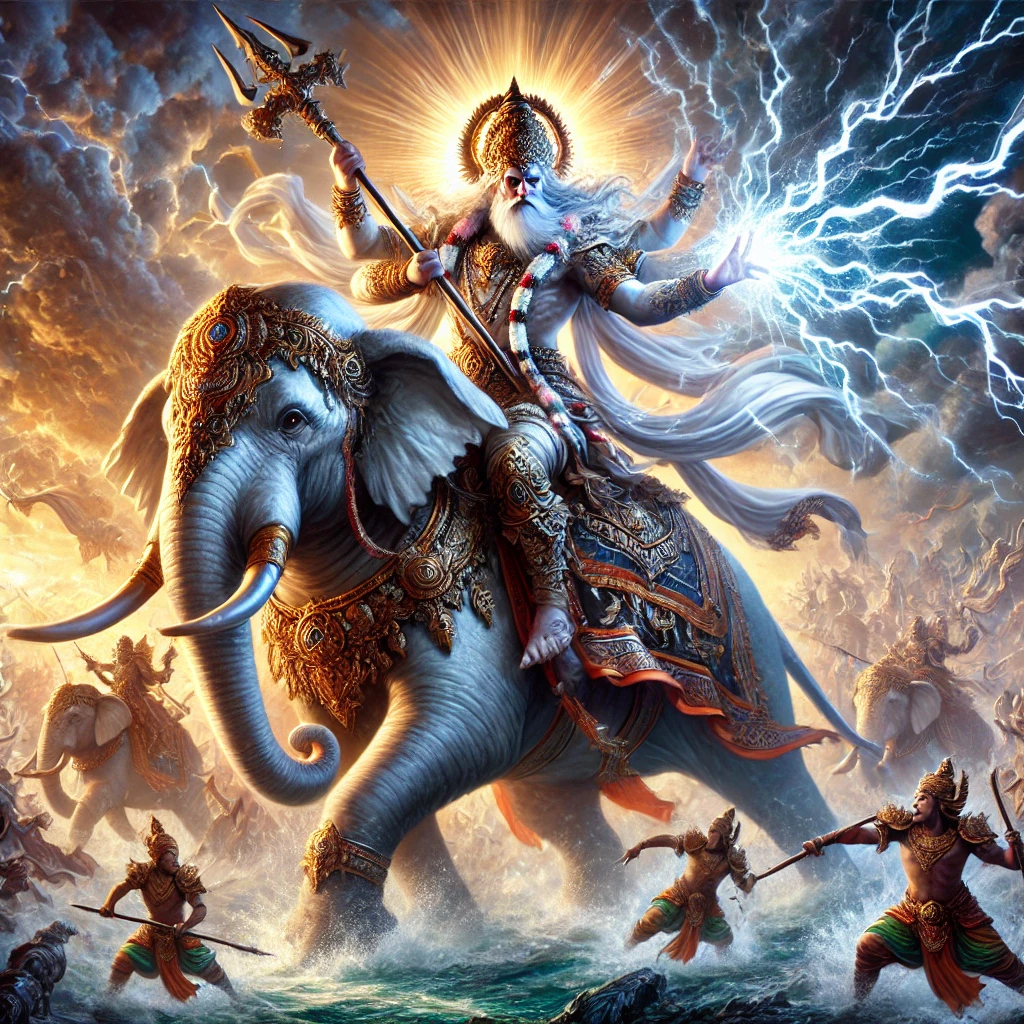
In short- a lot! You see, Hinduism has been a religion that has been evolving since time immemorial. The antis would say whatever and say that it was because of Hinduism not being up to the mark that other religions flourished, but that’s just some blabber!
You see, Hinduism has been there for the longest time, and since there have been so many gods, there has always been the freedom to go for what you believe in. If you feel that I want something to be changed- go ahead and do it- there is no stopping you. You’ll still be respected and loved like always.
This constant evolution is also why Indradev lost his significance over time and became more of a “learn from his mistakes” than the mighty warrior and provider he was known to be. Here are some key reasons for this shift:
1. Rise of Philosophical and Abstract Deities
In the Upanishadic period, around 800–200 BCE, the focus of Hindu thought shifted from ritualistic worship of individual deities to philosophical exploration of the Brahman (the ultimate reality) and Atman (the self). This led to a decline in the prominence of deities like Indra, who were associated with more worldly concerns like battles, rain, and material wealth.
Deities like Vishnu, Shiva, and Devi became more central, embodying higher metaphysical and spiritual ideals. For instance:
- Vishnu became associated with the preservation of the cosmic order.
- Shiva represented the cycle of creation, destruction, and transcendence.
- Devi (Shakti) symbolised the creative and sustaining power of the universe.
2. Transformation of Religious Practices
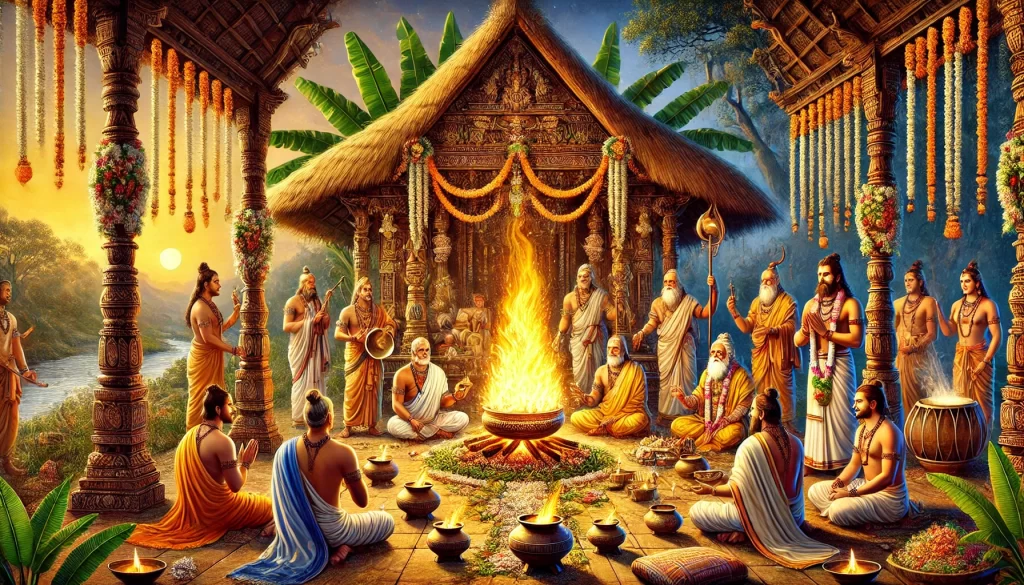
As Hinduism evolved, the emphasis shifted from the Yajna (sacrificial rituals of the Vedic period) to Bhakti (devotional worship) and temple-based practices. Indra’s identity was deeply tied to Vedic rituals, particularly those involving Soma offerings and Agnihotra fire sacrifices, which lost their centrality in later Hinduism.
In contrast, the emerging popularity of Vishnu and Shiva was bolstered by their adaptability to personal devotion and temple worship.
3. Depiction of Indra in Later Texts
In the Puranas and epics like the Mahabharata and Ramayana, Indra is often portrayed in a less exalted role, sometimes even with human-like flaws:
- He is shown as jealous, impulsive, and prone to deceit, such as his insecurity when mortals or asuras perform austerities and threaten his position.
- For example, the story of Govardhana Hill in the Bhagavata Purana depicts Indra as arrogant, punishing the people of Gokul with torrential rain, only to be humbled by Lord Krishna, who lifts the hill to protect them.
These portrayals humanized Indra, making him seem less divine compared to the supreme qualities attributed to Vishnu or Shiva.
4. Decline of Ritual-Centric Vedic Religion
The transition from the Vedic religion to classical Hinduism marked a decline in the importance of natural phenomena (like rain, storms, and rivers) as objects of worship. While these were critical in agrarian societies, the urbanization and evolution of complex theological systems reduced the emphasis on deities like Indra, closely tied to these natural forces.
5. Influence of Regional and Bhakti Movements
The Bhakti movement (6th century CE onwards) played a significant role in elevating Vishnu and Shiva through devotional literature and practices. Regional deities and local traditions were also integrated into these larger frameworks, further sidelining Vedic gods like Indra.
Despite his decline as a supreme deity, Indra was not entirely forgotten. His role evolved into that of:
- A character in mythological narratives that often teach moral or spiritual lessons.
- The King of Heaven (Svarga), presiding over the Devas and maintaining celestial order.
- A deity invoked in specific contexts, such as during rainfall or agricultural ceremonies.
The decline of Indra reflects the dynamic and adaptive nature of Hinduism. As a society, culture, and religious needs evolved, deities like Vishnu and Shiva, who offered broader philosophical and spiritual frameworks, naturally took centre stage. Meanwhile, Indra’s role as a guardian of material prosperity and natural forces became secondary in a religion that increasingly emphasized liberation (moksha) and devotion (bhakti).
As the Bhagavad Gita (7.23) states: “Antavat tu phalam tesham tad bhavaty alpa-medhasam”
अन्तवत्तु फलं तेषां तद्भवत्यल्पमेधसाम्।
(“The rewards of lesser gods are temporary; the wise seek the eternal.”)
So, you see- things changed, but that never meant that someone who was instrumental in the sustenance of society once shouldn’t have been respected. The same applied to the case of Indradev too and since he still had his positives, he learnt from his mistakes and maintained the stature of the king of Gods.
Ending this blog with one final verse from the Shanti Parva of Mahabharat (266.31)
क्षमा धर्मः सतां धर्मः क्षमा यज्ञः क्षमा तपः।
क्षमा ब्रह्म क्षमा सत्यं क्षमया न विद्यते परम्॥

"Kshama dharmah satam dharmah kshama yajnah kshama tapah |
Kshama brahma kshama satyam kshamaya na vidyate param ||"
Forgiveness is the virtue of the virtuous. Forgiveness is sacrifice; forgiveness is austerity. Forgiveness is Brahman; forgiveness is truth. There is nothing higher than forgiveness.