In today’s digital age, communities and movements—especially those centered around religion and cultural identity—have found a powerful platform online. Pages dedicated to Hindutva, discussions about Dharma, and posts that highlight the shortcomings of other religious or missionary efforts have proliferated across social media. While these pages can serve as vital sources of information, historical perspective, and moral encouragement, the reality is that their impact often falls short of what they hope to achieve. For all their rigor and relentless criticism of others, they rarely spark the profound positive transformation or deeper understanding they seek within their audience.
Why is this happening? Why, despite an abundance of online content championing Sanatana Dharma, proudly proclaiming the genius of our mythic past, and exposing external threats, are these pages still not shaping the narrative as effectively as they could? Let’s explore some of the core reasons and reflect on how we might shift our approach toward a more balanced, uplifting, and ultimately effective way of engaging with the complexities of faith, identity, and survival in our present age.
More Critique Than Glorification
One of the primary issues lies in the constant outpouring of criticism against others—other faiths, other philosophies,
or the motivations of those who seek to convert or undermine. While calling out hypocrisy or falsehood is sometimes necessary, over-reliance on negativity can create a cycle of resentment rather than reverence.
Imagine a casual observer who stumbles upon a page meant to celebrate Hindu thought. Instead of finding reasons to be proud—historic achievements, spiritual philosophies that transcend time, the nuanced ethics of the Mahabharata, or the profound symbolism in temple architecture—they find a litany of grievances. They find relentless attempts to prove someone else wrong, to belittle another tradition, or to poke fun at miracle claims circulated by missionary organizations. The problem is not that these criticisms are wholly unfounded; the problem is that they rarely foster pride, understanding, or a sense of shared purpose.
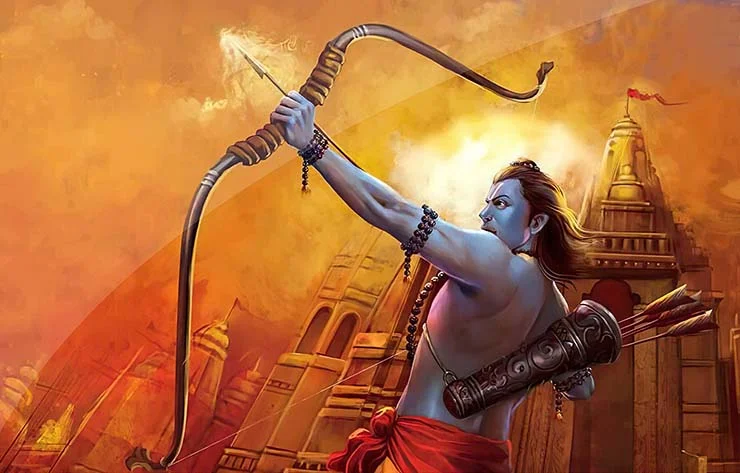
Instead of simply telling people what to reject, we must show them why they should embrace their own heritage. We should highlight the intellectual richness of the Upanishads, the strategic brilliance of Krishna, the unwavering honor of Rama, and the profound moral dilemmas dissected in epics like the Mahabharata
Elevating the dialogue from “Look how bad they are” to “Look how extraordinary we are” can inspire confidence and loyalty far more effectively than perpetual condemnation.
Forgetting Krishna’s Political Genius
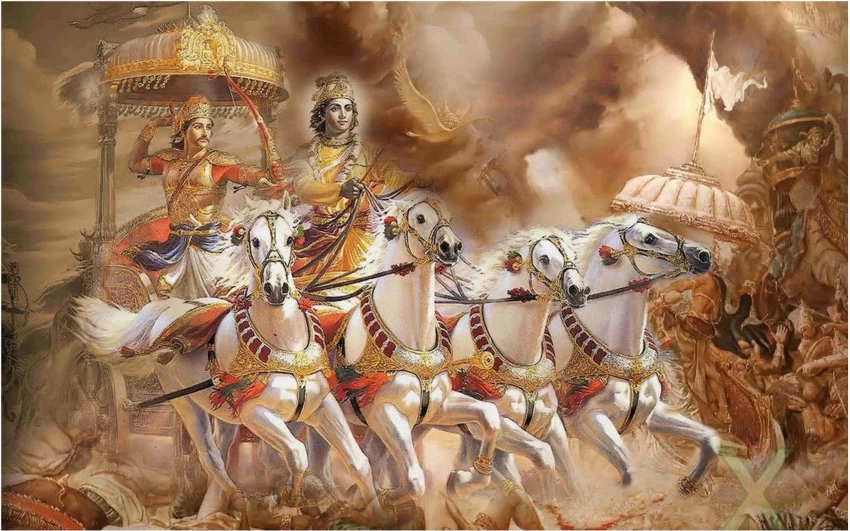
Another miscalculation is an apparent narrowness in the concept of Dharma. Many thinkers and commentators focus on the spiritual and ascetic elements, ignoring the more pragmatic, nuanced aspects of our traditions. It’s uplifting to highlight dharmic righteousness, but it’s equally important to remember that we worship Krishna not only as a divine avatar but as a master strategist and statesman. Krishna’s teachings are not limited to the battlefield of Kurukshetra; they apply to every domain of human existence, including political maneuvering, resource management, and crisis resolution.
In a time when we face multifaceted challenges—cultural dilution, economic disparities, religious conversions fueled by material allure, and political undercurrents that seek to undermine traditions—we need Krishna’s sharp intellect more than ever. Celebrating only the dharmic purity of our gods, without acknowledging their human-like strategies, is to forget the toolkit they bequeathed to us for negotiating the real world.
Addressing the Realities of Kaliyug
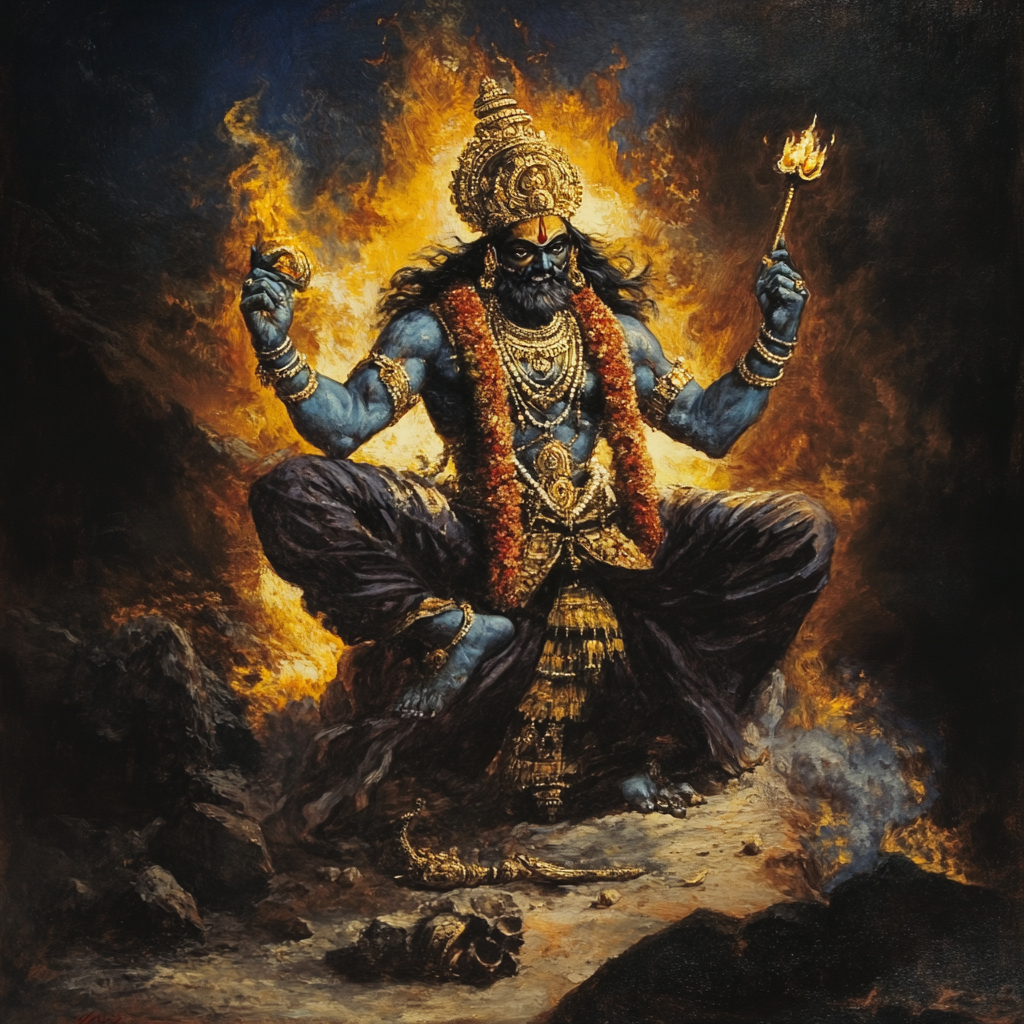
In the Kaliyug, the idea that people will cling to religious or cultural identity out of sheer conviction without any material backing is unrealistic. When other communities or missionary organizations offer tangible benefits—food, shelter, healthcare, education—it’s naive to expect loyalty to tradition without providing similar support structures. Morality is important, but so are economic stability and social welfare.
If we truly believe in preserving our dharma, it’s time to develop parallel institutions that provide not only spiritual guidance but also practical help. Instead of only bemoaning conversions, why not allocate resources and energy into feeding the hungry, educating the underprivileged, or providing skill development opportunities? People gravitate toward stability and opportunity. If we neglect their economic and social needs, we leave them vulnerable to enticements from outside. Simply put, if we want to preserve dharma, we must make it sustainable, beneficial, and accessible in everyday life.
The Folly of Amplifying the Enemy’s Message
Sharing videos of alleged miracles—no matter how absurd—just for mockery can backfire. By circulating such content, we inadvertently act as marketers for the very narratives we want to counter. Why give them free publicity? By making fun of these claims, we spread them further, allowing them to reach a broader audience. When you mock something publicly, you draw curiosity. Some may laugh along with you, but others might just find their interest piqued, leading them to explore more about these so-called miracles or preachers.